Back to Sphinx Ranch Walking Tour
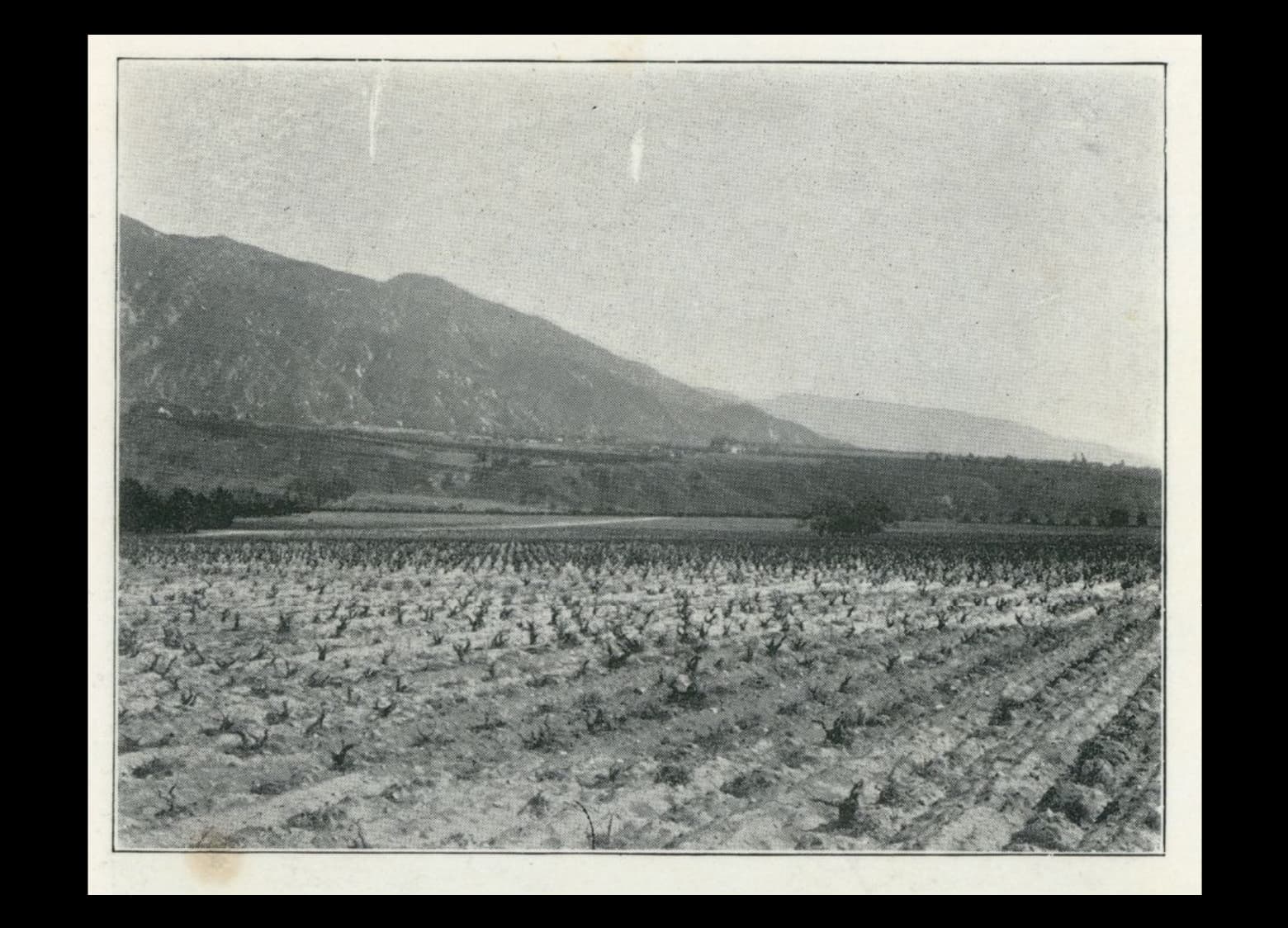
Seven and Eight year old vines - 90 acres
The older vines existed when Allen bought the ranch and he continued to farm them on this side of the ranch bordering the Brigdens on the west and sloping gently towards a morning sun.
Altadena, CAStory 15 of 17
This neighborhood is now has some of the largest and most beautiful residences in all of Altadena. The hogan development in the early 1920's took the place of these old grapes and capitalized on the re-design of the new Pasadena Golf Club where the Altadena Golf course resides today. Lots were sold and the architects of the day designed homes suited for the climate and the lifestyles of the well off as the Allens sought to exchange their land for cash in chunks rather than all at once.
The varietal of muscat alegro would have been grown with some success along with the hearty mission vines, oldest of the locally grown at the time and the relatives of Benjamin Eaton's earliest efforts. The Allens had mixed success in cuttings they had sent from overseas with many arriving damaged. They relied on Leonard Rose for cuttings from his vineyard down the road to plant those known to produce in the climate and be tolerant to the blights and pests of early wine production in Southern California.
The winery will never profit the Allens like the oranges and stone fruit with their higher margins. The advent of the napa valley in the late 1800s would come to dwarf southern california production but for a brief minute in our short California past, the Wilsons and Shorbs and Roses and Allens of yesteryear were the production titans of the state. The Allen's Angelica, complete with a sphinx logo on the label, was shipped to the east coast, sold, and consumed in the mansions of Chicago and New York and Boston elites of the time. All from this sunny little slope at the foot of the fast rising San Gabriels mountains.
Audio Narration
Tour Route
You are here
Experience This Story On Location
Download the History Cake app to experience this story with automatic audio narration as you visit the location.