 Back to Sphinx Ranch
 Stop 17 of 18
Winery and Barn and tour's end!
The barn was for the families horses and carriage and storage of hay and barley and the necessary supplies for boxing and storing grapes and fruit.
Written by historians, never AIResearched & written by Marc Striegel
In the app, this story plays on its own as you reach this spot. This page is the preview.
See the full tourListen
Narration
In the app, the full narration plays when you're on location.
The story
Winery and Barn and tour's end!
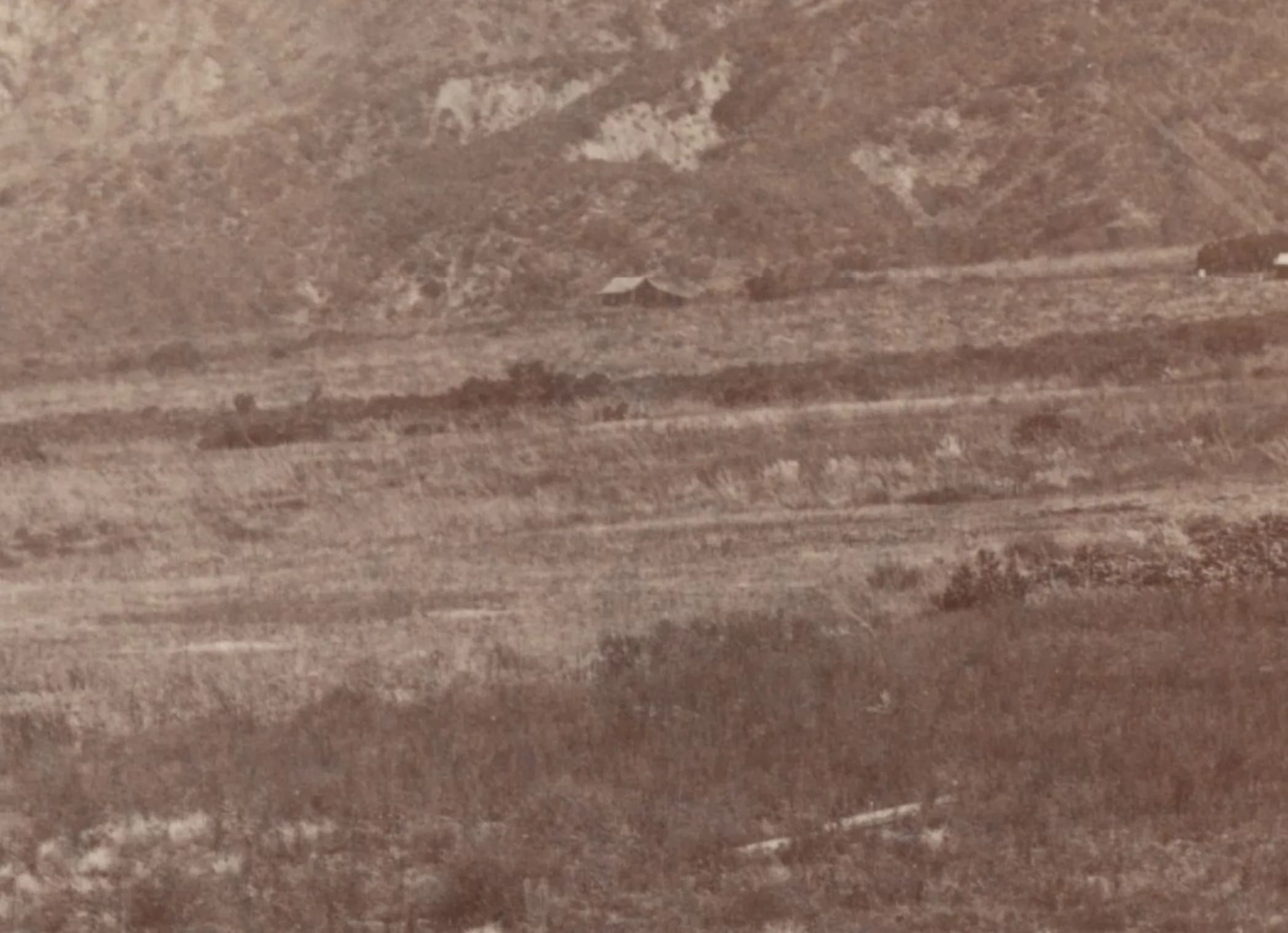
Here we are where the barn and small winery used to be.
William planted over a dozen varieties of grapes to augment the producing vines Benjamin Eaton had planted and dry-farmed and then W. W. Edwards, the previous ranch owner, carried forward.
The early plantings were all from the vines of the San Gabriel Mission and were referred to as "Mission Grapes". In Spanish California, the grapes were distilled into sacramental wine and the pulp and skins and stems were distilled further to create a higher alcohol content liqueur of around 20% called Angelica. This was freely traded as a commodity and was served in saloons and on ranchos for any occasion.
William Allen had a knowledgable and interesting neighbor in Leonard J. Rose who had a huge winery where Victory Park now sits. Rose had been experimenting with many varietals to see what grew best in the San Gabriel microclimate so William bought cuttings from him and tried them on his property.
The Allens did not press most of their own grapes, rather, they would box them up and drive them down the hill a mile to Leonard J. Rose and his vats and distillery. Rose produced a significant portion of the wine and brandy of California for a few years and his legacy in that regard lives in nearby Rosemead Blvd.
What little distilling the Allens did on the ranch occurred at the barn and their result was a brandy like liquor they called Mountain View Angelica.
Gallery
From this place
On the route
Where it sits
In the app, this stop triggers as you arrive.
You are here
Out now
Hear it where it happened.
Get the free app, stand where this happened, and the story starts on its own.