Back to Sphinx Ranch Walking Tour
Mature Oranges and Lemons
These were producing trees when the Allens bought the property and a hot commodity of the times.
Altadena, CAStory 3 of 17
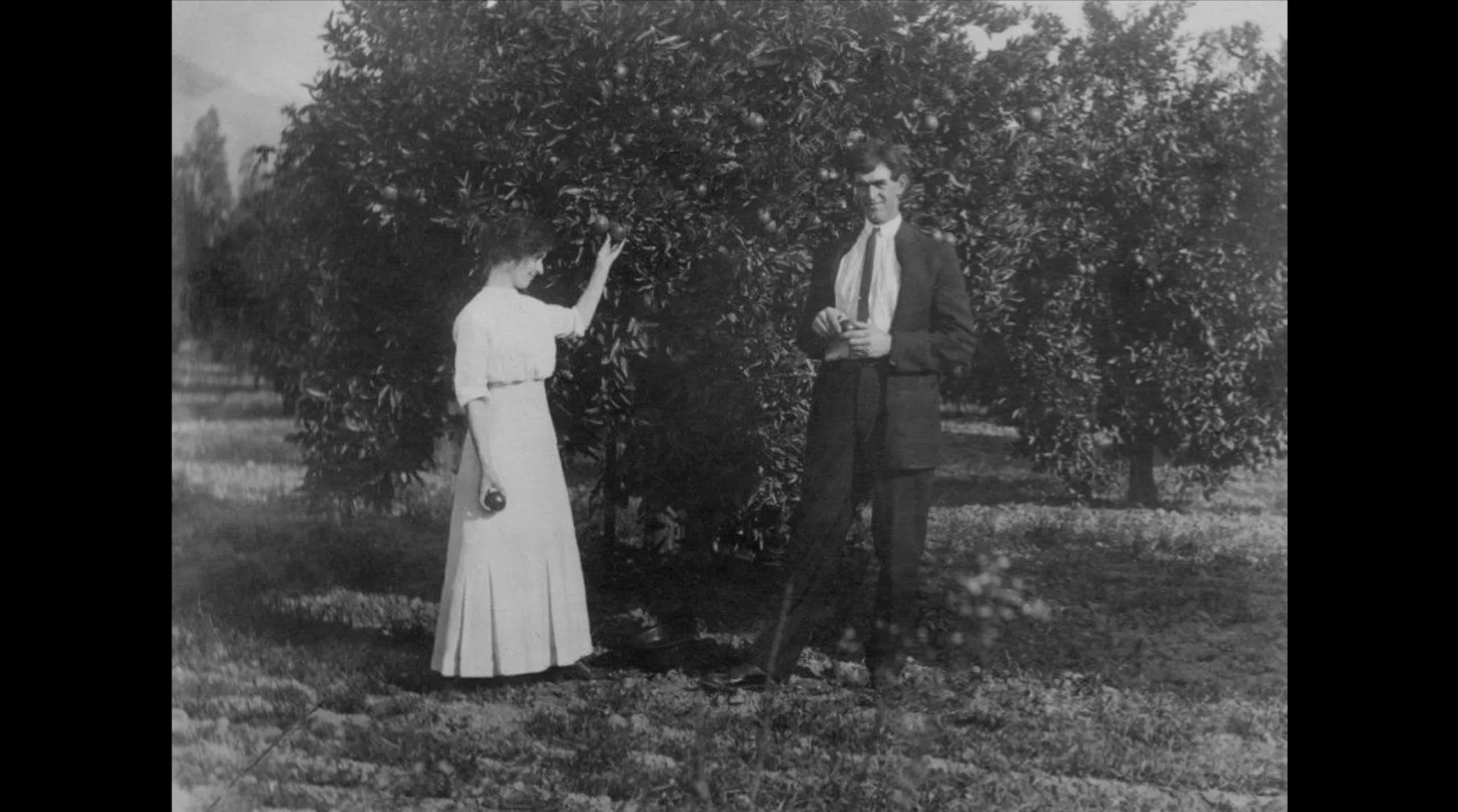
The reliable afternoon breeze we enjoy in Altadena would have brought the smell of citrus to the porches of the Allen home on most days. The carriage ride up would have been an olfactory prelude to greeting the large Allen family upon guests' arrival.
Citrus fruit and oranges in particular, are a profitable venture for most southern california agriculturalists in the 1870s and early 1880s.
Around 1878, a Northern California company planted 14,000 orange trees east of Lake Avenue in Pasadena, California, creating what was considered at the time the largest orange grove in the world. This development was a key part of the southern California citrus boom, contributing to the area's history as an "Orange Empire".
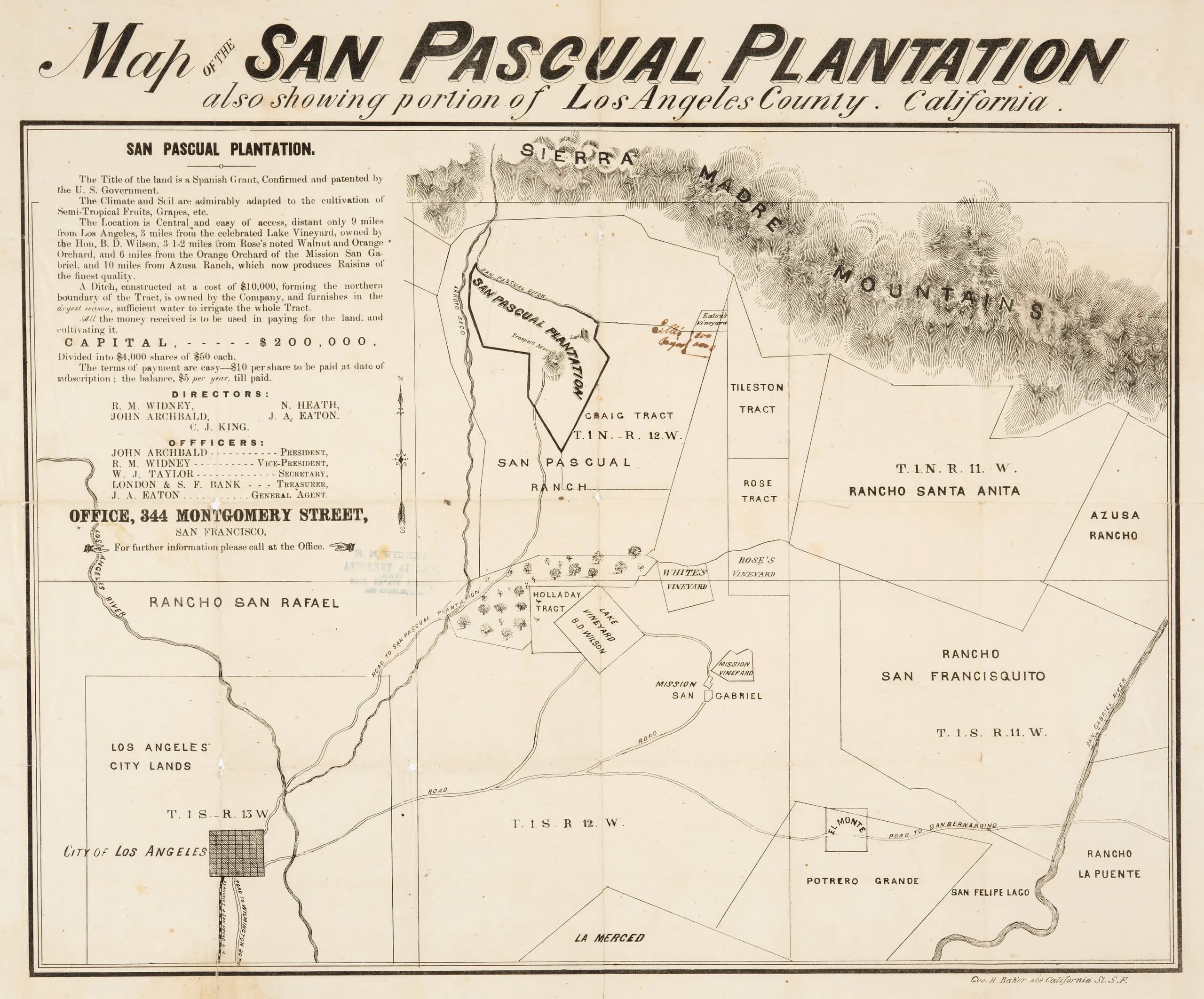
Throughout the last quarter of the Nineteenth century, Altadena and Pasadena – indeed the entire San Gabriel Valley – led the state in grape and citrus fruit production. Building on the success of the Mission grape planted by early Spanish padres, the surge in Valley fruit farming did not get underway in our immediate area until the 1870s after Benjamin Eaton piped water from the canyon bearing his name to lower-lying ranches, thereby nourishing grape and citrus production up and down the dry, rocky Highland slope.
In Pasadena in 1874, early colonists planted over 100,000 grape vines, while they peppered tracts of any size with citrus trees. Within four years, a northern California concern planted 14,000 orange trees east of Lake Avenue, creating the largest orange grove in the world. Further east of town and slightly south of the 210 Freeway, Wilson and Shorb’s Lake Vineyard ranch produced 150,000 gallons of wine and 116,000 gallons of brandy in 1875, the year L.J. Rose increased the size of his Sunnyslope vineyard to a thousand acres.
Prudent Beaudry, former Los Angeles mayor, also opened the San Rafael winery just below the present Colorado Street Bridge the same year.
Closer to Altadena and north of what is now the 210 Freeway lived Irish immigrant James Craig. In 1868, he negotiated water rights from Eaton and committed most of his 143-acre Hermitage ranch to vineyards and fruit trees. In 1877, James F. Crank purchased Eaton’s 225-acre Fair Oaks ranch, whose northern border was New York Avenue. Later that year, Crank’s brother-in-law, Albert Brigden, followed suit at The Hermitage, planting 120 acres of vines.
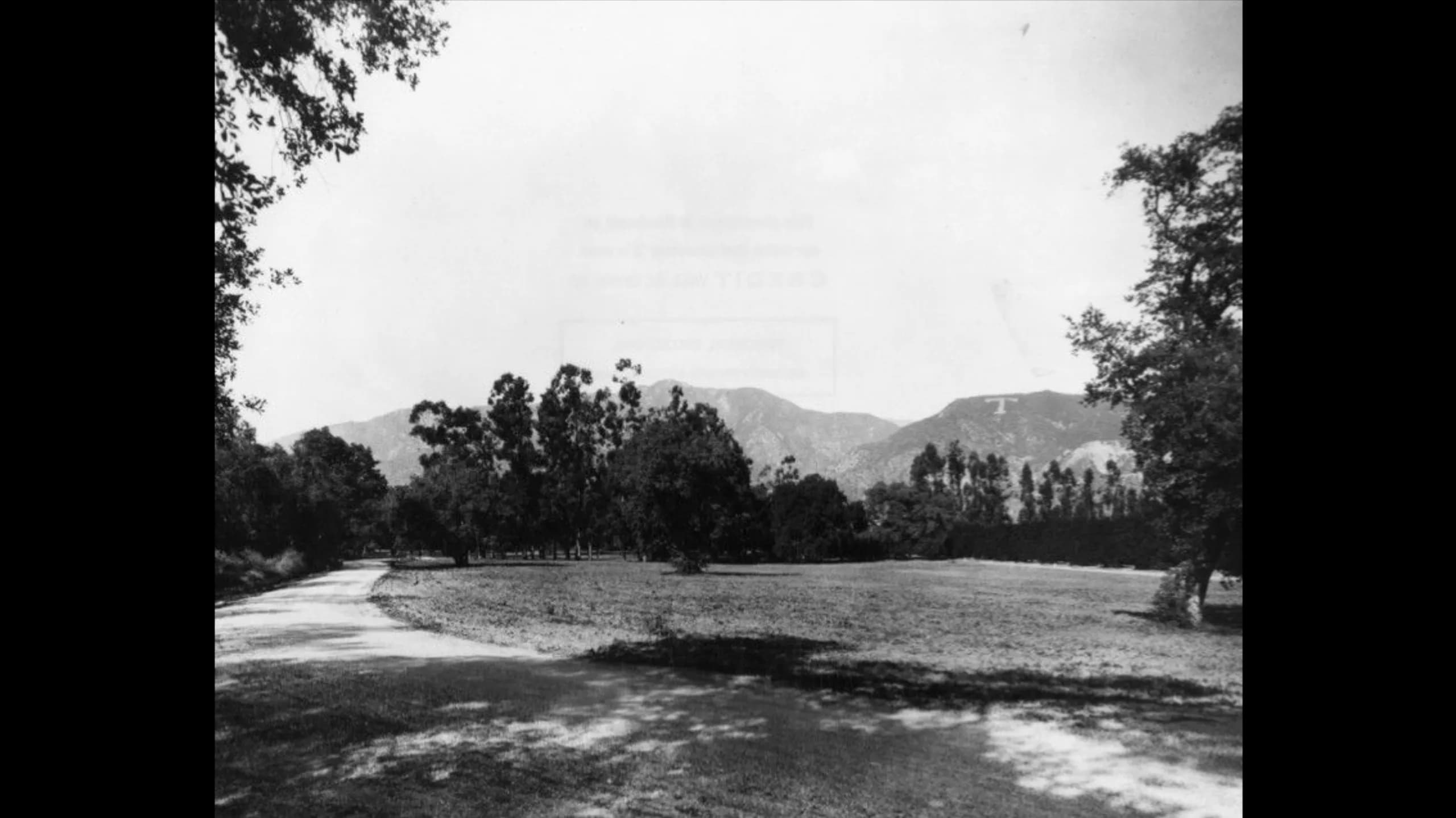
Englishman William Allen arrived in 1879 and purchased about 500 acres until his orchards and vines spread north from New York Avenue to the mountains and from Lake Avenue east to Eaton Canyon. I
Audio Narration
Tour Route
You are here
Experience This Story On Location
Download the History Cake app to experience this story with automatic audio narration as you visit the location.