 Back to Historycake Landscape, Life and Mining/Geology Tour - Highway 395 and 14
Payahuunadü: The Owens Valley and the Pauite Shoshone
The Paiute call this valley Payahuunadü, "the land of flowing water."
In the app, this story plays on its own as you reach this spot. This page is the preview.
See the full tourListen
Narration
In the app, the full narration plays when you're on location.
The story
Payahuunadü: The Owens Valley and the Pauite Shoshone
For thousands of years this was Payahuunadü, "the land of flowing water," home to the Nüümü, or Owens Valley Paiute. The Pauite were not simply hunter-gatherers passing through. Using a network of hand-dug ditches stretching for miles, they diverted Sierra snowmelt to irrigate wild food plants like taboose and nahavita. An elected official, the tuvaiju, decided each year when to open the water, alternating fields north and south of the river to let the land rest.
That careful balance was unfortunately shattered swiftly. A brutal winter in 1861-62 killed off game, and in 1861 cattlemen drove herds into the Owens Valley to feed the miners at Aurora, a booming mining town north about 75 miles. The cattle driven down trampled and ate the very plants the Paiute depended on and had cultivated. Facing starvation, the Numu began killing cattle, and the angry settlers answered with violence instead of curiosity. The "Indian Wars" of the Owens Valley had begun. The natives began raiding the mining camps and committing depradations upon the miners, driving them out of Coso and other working mines south and east of the settlements. The valley residents asked the federal government for help. We were in the middle of the civil war at the time. The army answered their call.
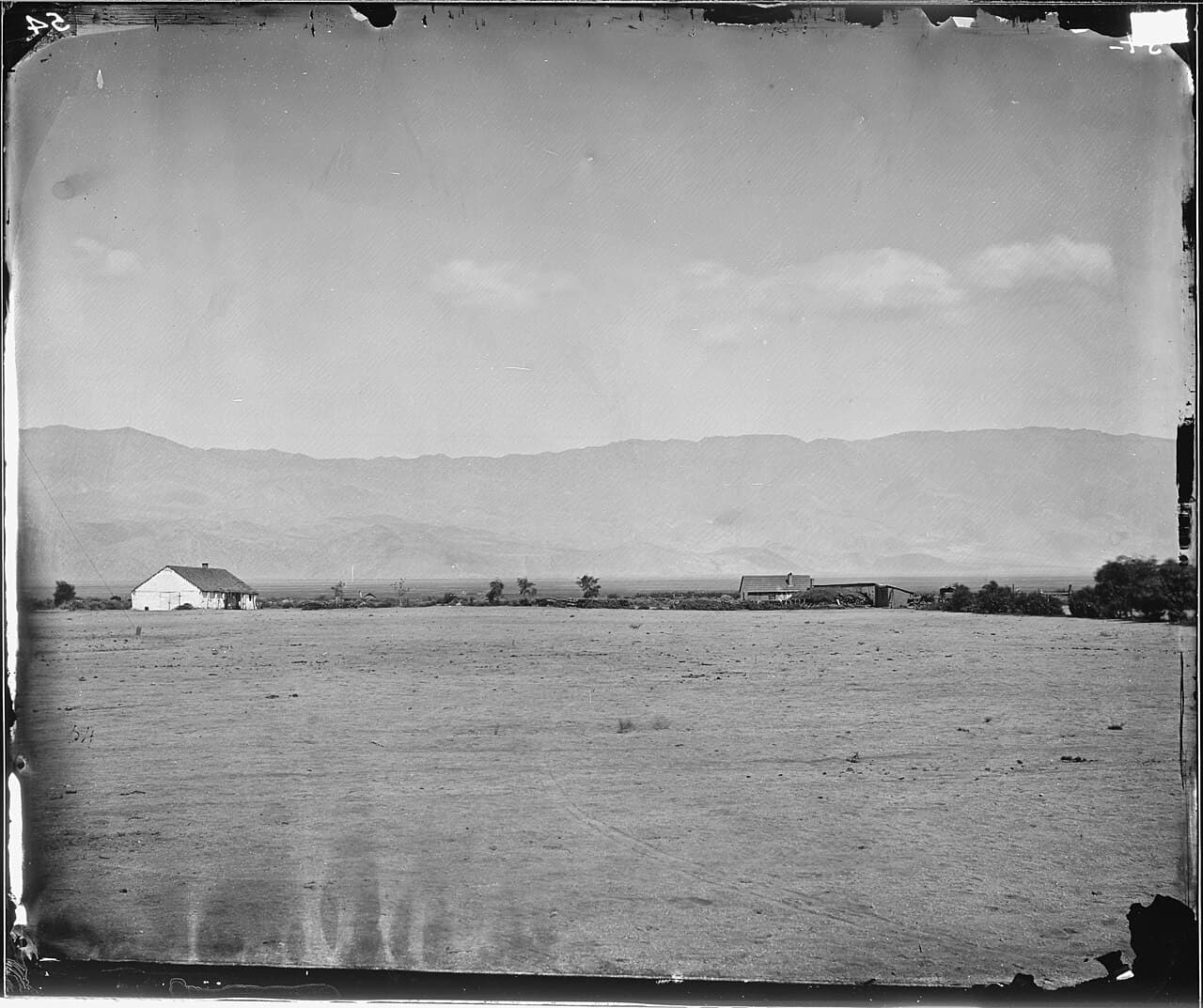
On July 4, 1862, the United States Armed Forces established Camp Independence on Oak Creek, just north of where you are now. Over roughly a year and a half of skirmishes and raids, about 200 Paiute and around 60 soldiers and settlers were killed. Finally, after the Paiute leader known to the settlers as Captain George surrendered in May 1863, and nearly a thousand Numu were concentrated at the Independence camp.
On July 11, 1863, more than 900 people were marched some 200 miles south to Fort Tejon and the San Sebastian Reservation. Many had never heard of Tejon and did not understand they were being taken from their valley. People died of thirst and exhaustion along the way; dozens slipped away to escape and head back to their lifelong home.
The removal of the Paiutes did not end the story. Within months, families began walking home. By 1866 settlers were asking for help to run their farms and they wanted Paiute labor. The descendants of these ancient people live in the valley still, and work and play in the same businesses and mountains and meadows as we all explore today.
On the route
Where it sits
In the app, this stop triggers as you arrive.
Out now
Hear it where it happened.
Get the free app, stand where this happened, and the story starts on its own.