Back to Mapped Tides and Shop Lights
Pacific Lodge: Care, Discipline, and a Gift of Land
A Dee Why address that moved from rest home to inebriates’ treatment to aged men’s home, revealing how charity and control shared the same ground.
Sydney, New South Wales1892Story 4 of 5
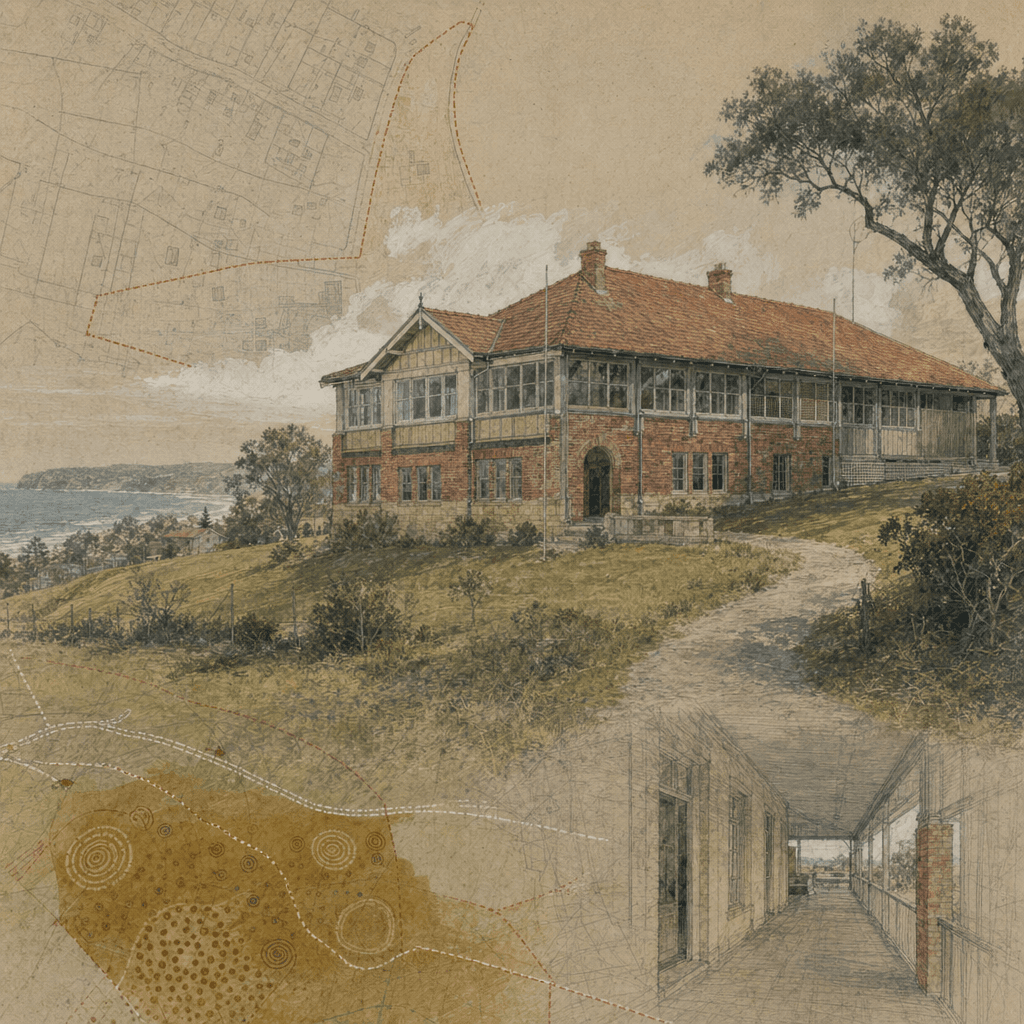
Pacific Lodge began in 1892 as a Salvation Army Home of Rest for officers worn down by service. It was helped into being by Elizabeth Jenkins, a major local landholder who gave land and four hundred pounds. That generosity mattered. So did the fact that a small number of owners could shape what Dee Why became, simply by deciding when land was released and who institutions could build for.
That history sits on Aboriginal land, and the naming needs care. Sources do not all identify the original custodians of this exact area in the same way, especially when the wider district is compared with this specific civic precinct. The safest truth is the clearest one: Country was here long before the Jenkins family, long before the Salvation Army, and long before property boundaries tried to fix the place into deeds and titles.
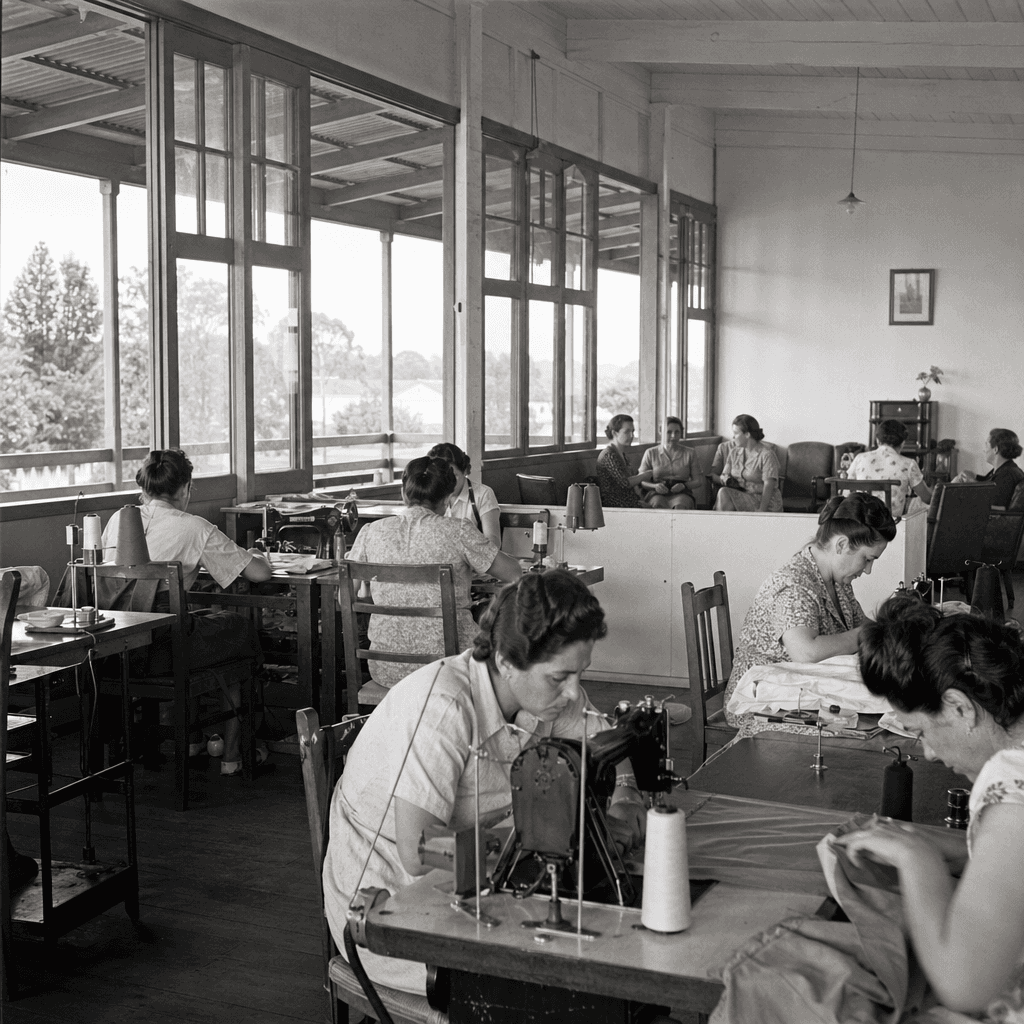
The striking part is what the building became. A recuperation home later served as a place for treating what records called “inebriates,” with one conservation source dating that change to 1907. By 1939 it was operating as Pacific Lodge Aged Men’s Home. Over time, care and social control occupied the same rooms.
After Elizabeth Jenkins died, her property arrangements with the Salvation Army did not simply pass without dispute. Her nephew, Phillip Jenkins, challenged them. That leaves a sharper local story than simple charity. This hill held kindness, power, and argument all at once.
Audio Narration
Tour Route
You are here
Experience This Story On Location
Download the History Cake app to experience this story with automatic audio narration as you visit the location.