Back to Hills Above the Orange Groves
Paper Fights in the Foothills
North Tustin’s low density was not an accident. Residents organized for years to keep annexation, spot zoning, and commercial creep from changing the hillsides they loved.
Tustin, California1990Story 5 of 5
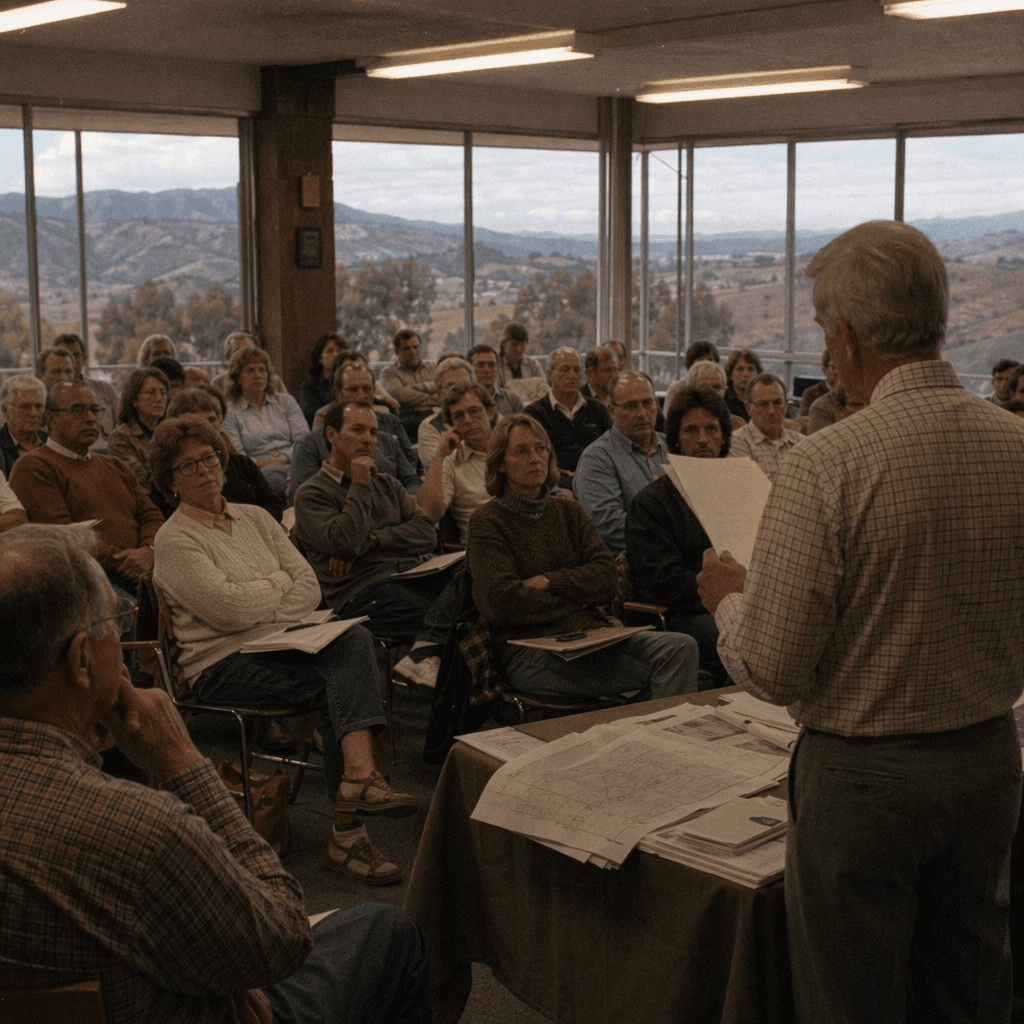
The clearest way into the Foothill Communities Association is not through origin myth but through conflict. The group traces itself to nineteen sixty-four on its own website, but the firmer record comes later, in public fights over what North Tustin was allowed to become.
One fact cuts through all the planning language. In nineteen ninety, the Los Angeles Times reported that a feasibility study found North Tustin had only one commercial establishment. In most places that would sound like a lack. Here it read as a boundary. Residents saw denser projects and more business use not as minor additions, but as the start of a chain reaction.
That is why names matter. Bill Weber appears in coverage from that period. Later, county-filed correspondence shows Rick Nelson doing similar work in another round of objections. Meetings, letters, filings, resistance. This was not abstract land-use theory. It was neighbors spending years trying to keep the foothills from being revised parcel by parcel.
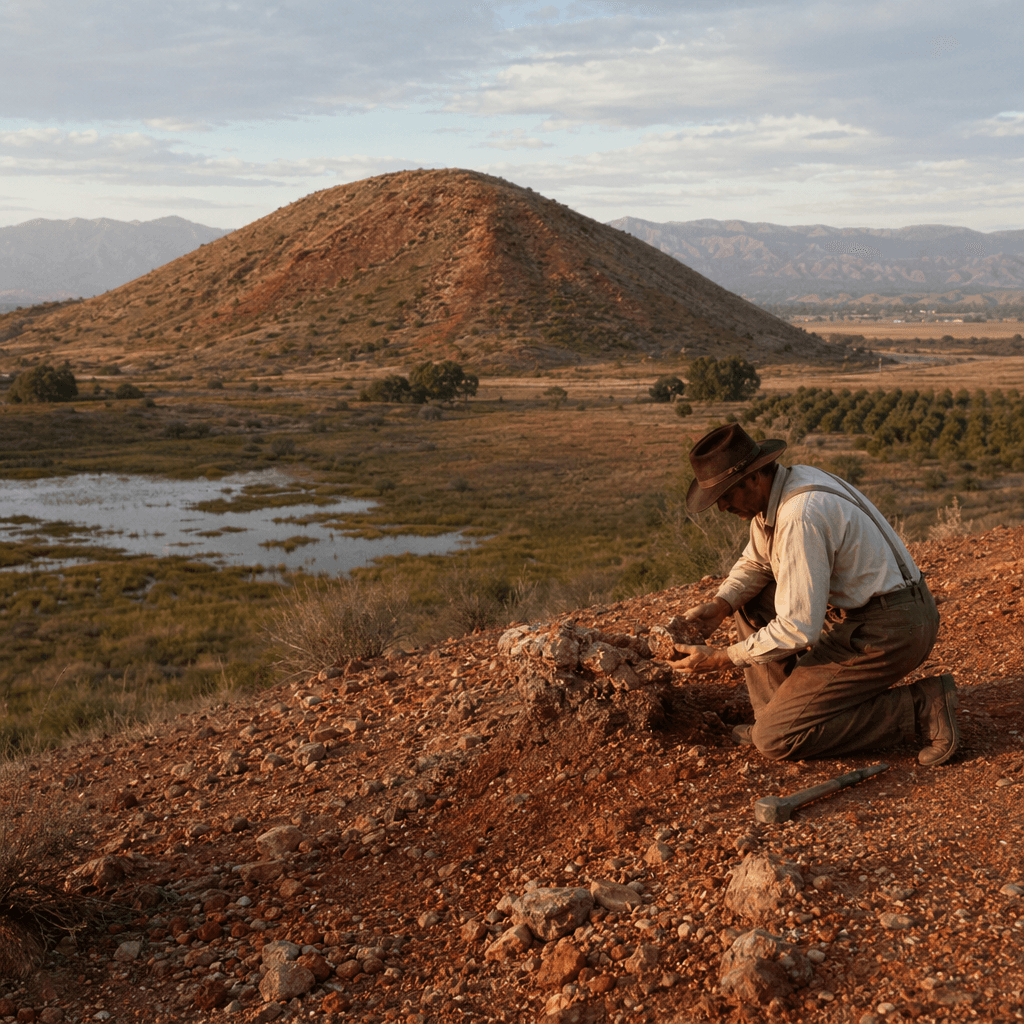
What they were protecting was physical and visible. Hillsides. Long views. The kind of sunset country that still carried memory of orange groves and the older days of stagecoaches cutting across the region. Low density was not just an aesthetic preference. It helped preserve sightlines, quiet, and a residential scale that many locals thought would vanish quickly once commercial logic got a foothold.
The tension kept returning in new paperwork: annexation proposals, spot zoning disputes, higher-density plans. Each case forced the same choice. Would this remain a foothill community shaped around homes, slopes, and open views, or be slowly rewritten by tax logic and development pressure? The records do not show a final peace. They show a place where residents kept showing up, determined that the beautiful hills with the views and sunsets and the days of stagecoaches and orange groves would not be reduced to a planning afterthought.
Audio Narration
Tour Route
You are here
Experience This Story On Location
Download the History Cake app to experience this story with automatic audio narration as you visit the location.