 Back to Historycake Landscape, Life and Mining/Geology Tour - Highway 395 and 14
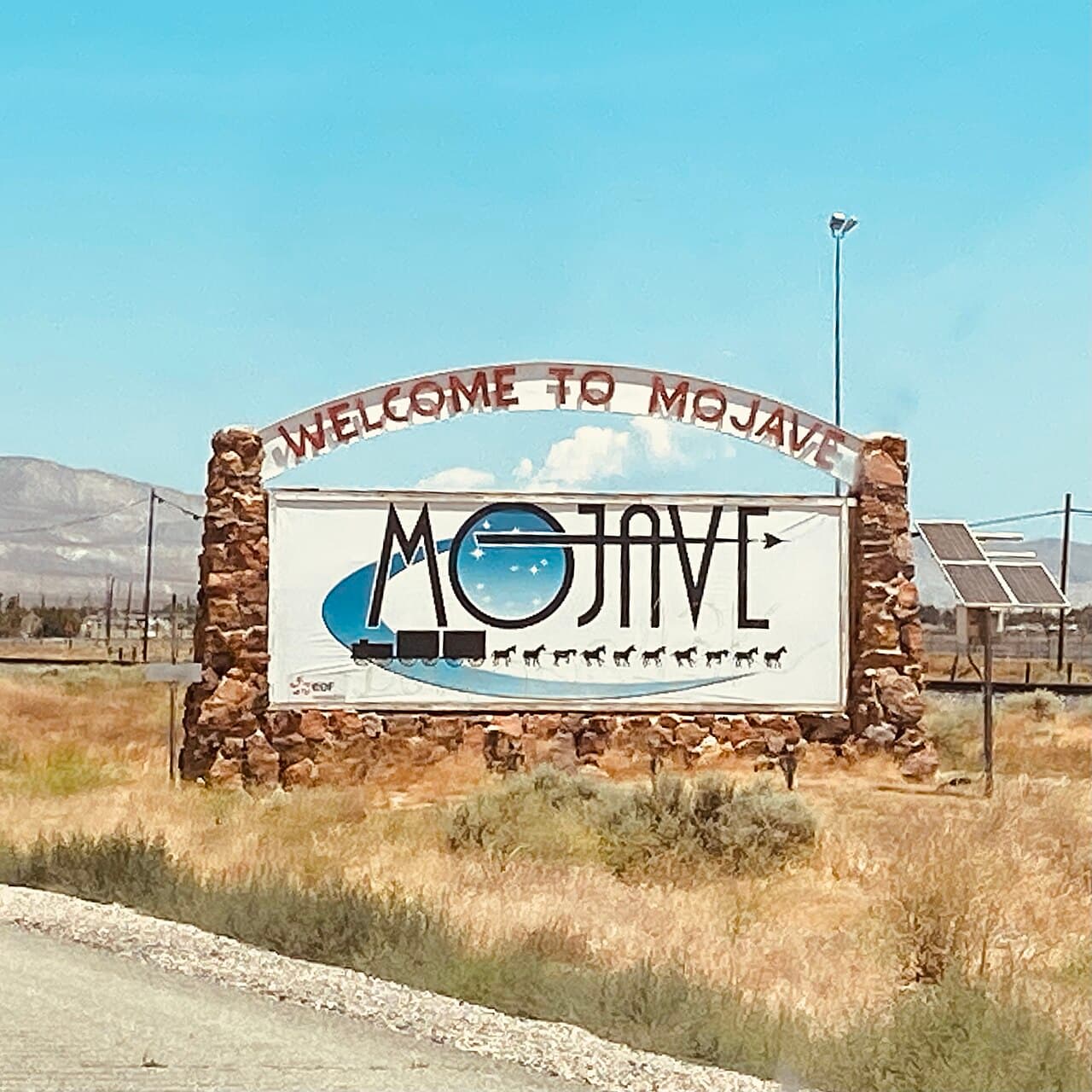
Mojave
A railroad town that became the western dock for the 20-mule-team borax wagons, a headquarters for building the LA Aqueduct, and the place where the first privately funded spaceship reached the edge of space.
In the app, this story plays on its own as you reach this spot. This page is the preview.
See the full tourListen
Narration
In the app, the full narration plays when you're on location.
The story
Mojave
Mojave looks like a wind-scoured crossroads, and that's exactly what it has always been. The Southern Pacific laid its rails here on August 8, 1876, and the town was born as a construction camp — a place built to feed, water, and move things across a hard stretch of desert.
For a few years it was the unlikely capital of borax. From 1884 to 1889 the famous 20-mule teams ended their 165-mile haul from Death Valley right here, where the ore was loaded onto SP freight cars. The enormous wagons that did the work — built to carry 24 tons each — were assembled in Mojave for about $900 apiece. When richer borax turned up near Barstow in 1889, the mule teams stopped coming, and Mojave moved on.
It moved on to water. When Los Angeles built its aqueduct between 1908 and 1913, Mojave served as a supply and construction headquarters for crews running the channel down out of the Owens Valley — the same valley you're driving toward, drained to fill a distant city's faucets.
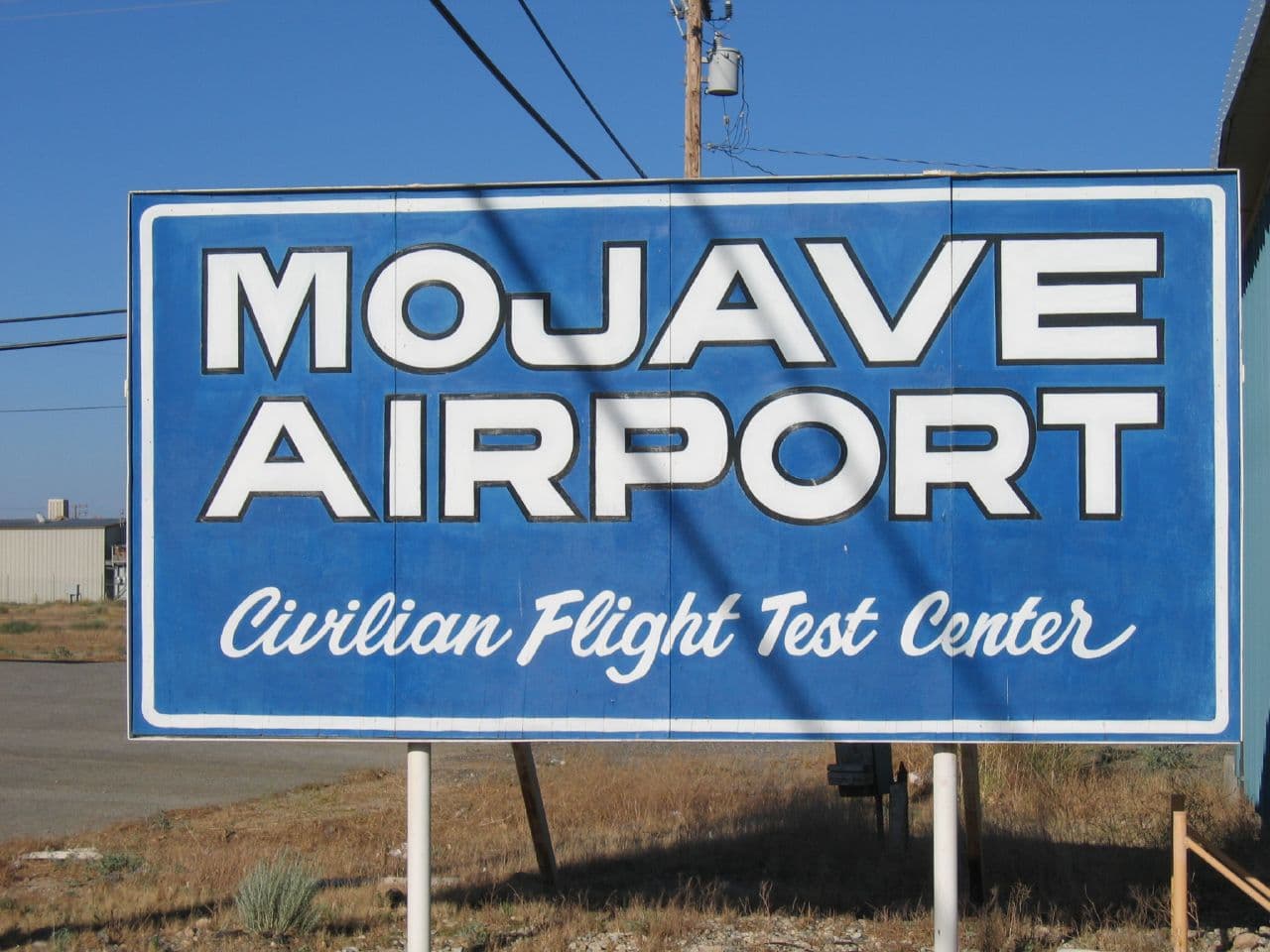
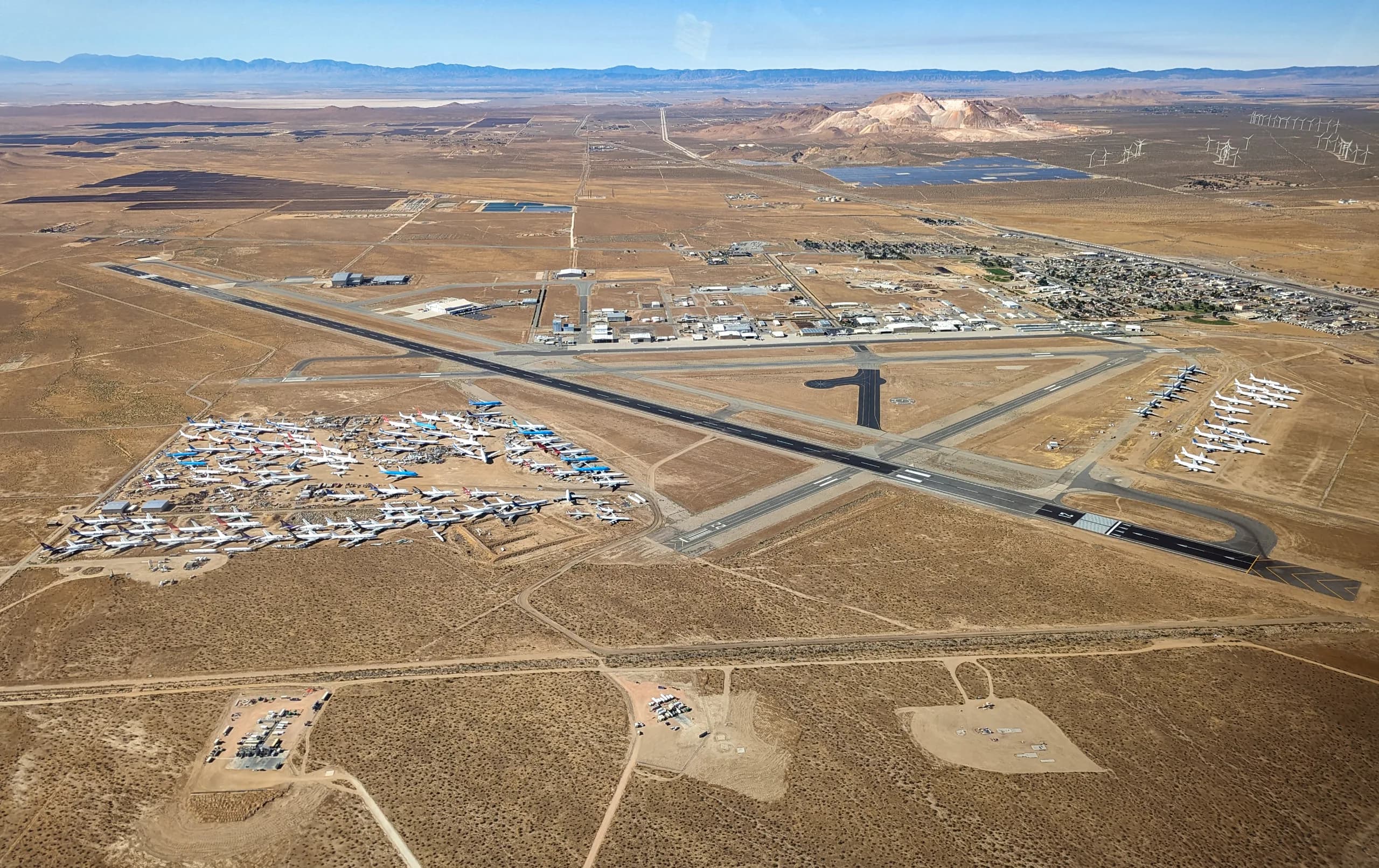
Look west and you'll see the modern chapter: the turbines of Tehachapi Pass, spinning since the early 1980s, and the airfield east of town. Opened in 1935 to serve desert miners, it became a Marine base in World War II and is now the Mojave Air and Space Port — the first inland U.S. spaceport, and an aircraft boneyard where airliners wait out their retirement in the dry air. In 2004 Burt Rutan's SpaceShipOne launched from here to win the Ansari X Prize, the first privately funded craft to reach space.
The name itself travels: it honors the Mojave people of the Colorado River, far to the east — Hamakhaave, "beside the water." This desert-edge country was Kawaiisu land.
On the route
Where it sits
In the app, this stop triggers as you arrive.
Out now
Hear it where it happened.
Get the free app, stand where this happened, and the story starts on its own.