An audio tour that plays itself. Each story starts as you drive past the place it happened.
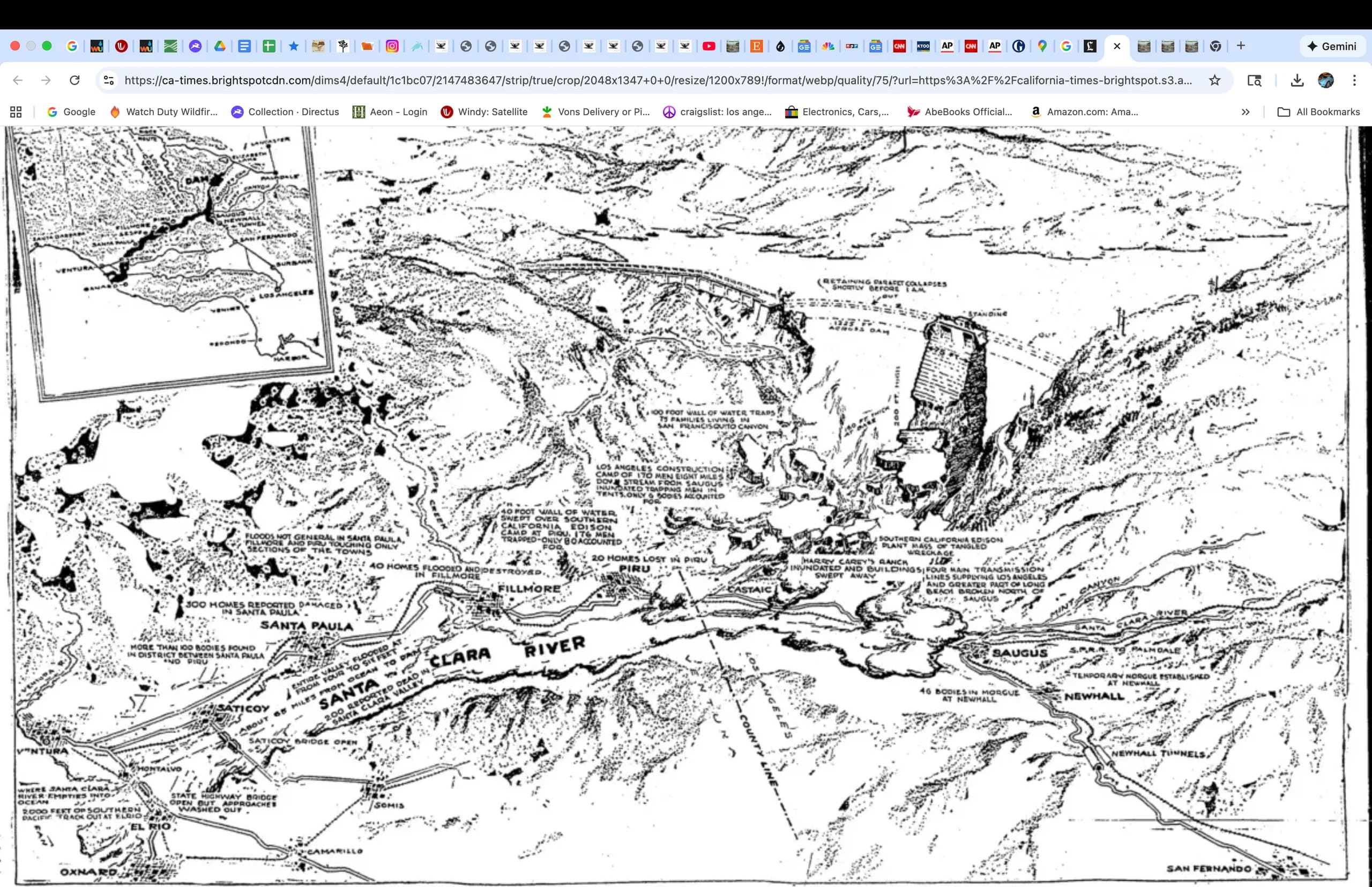
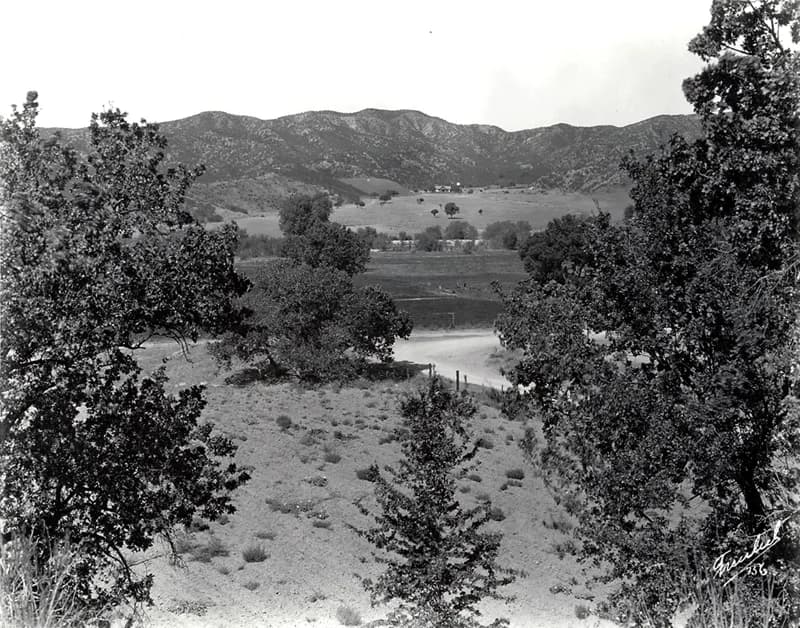
Welcome to History Cake, the Saint Francis Dam Disaster. To follow the path of the flood in its entirety, we begin at the old site of the dam face, about seven and a half miles up San Francisquito Canyon Road north of Saugus. But you can start anywhere you would like, just the same!

On the ground
Get the app, pick this tour, and download it. Everything works offline after that.
The route
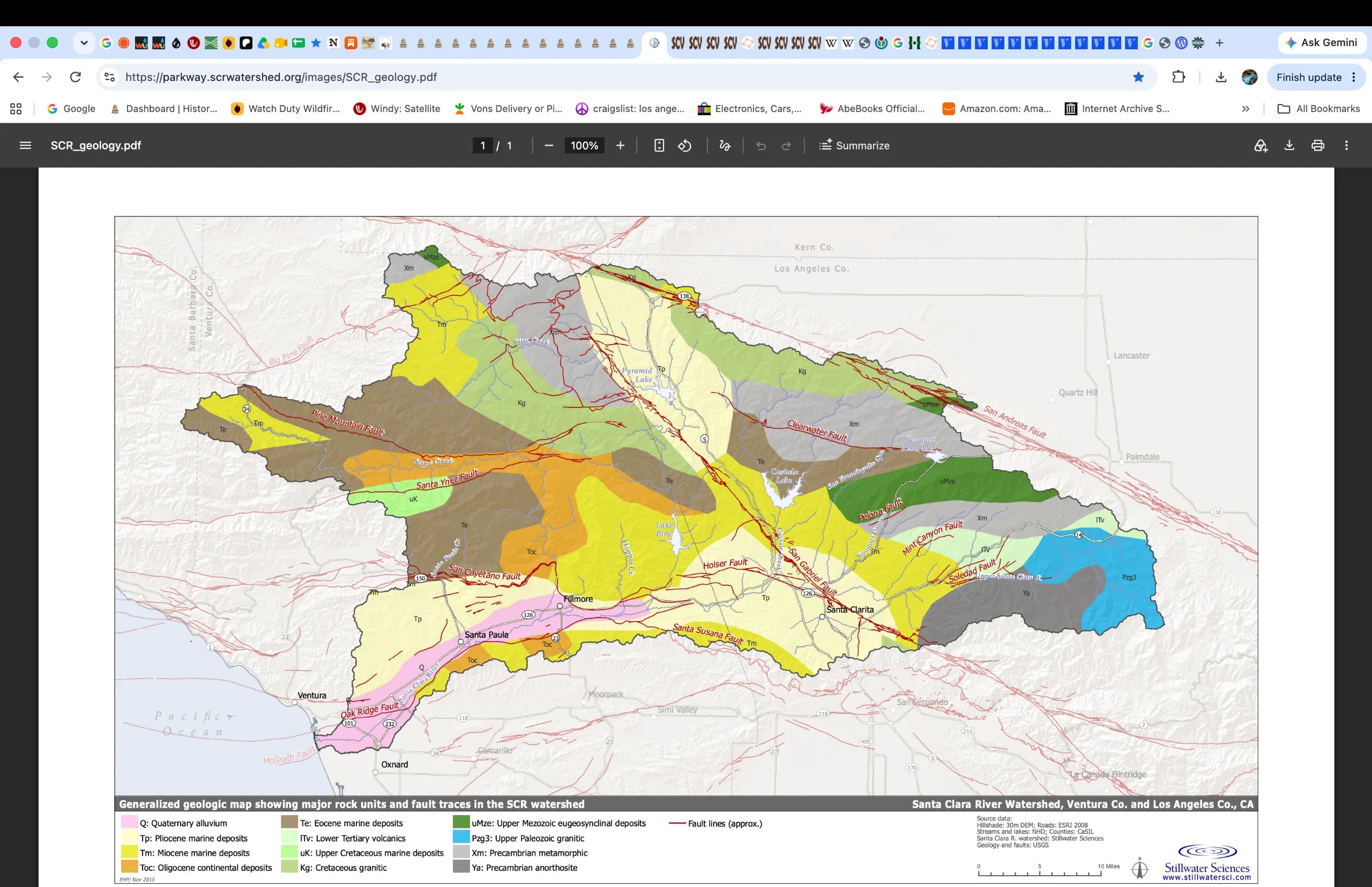
Story locations, not a set order — visit them however your day goes. Off-path points are marked separately.
Almost here
The History Cake app is in the final stretch. Leave your email and we'll tell you the day this tour is ready to play.
One email at launch. No worries, no spam.
Follow the route with your phone in your pocket. Nothing to tap.
Each one begins the moment you reach the place it's about.
Researched & written by
Marc Striegel
About this tour
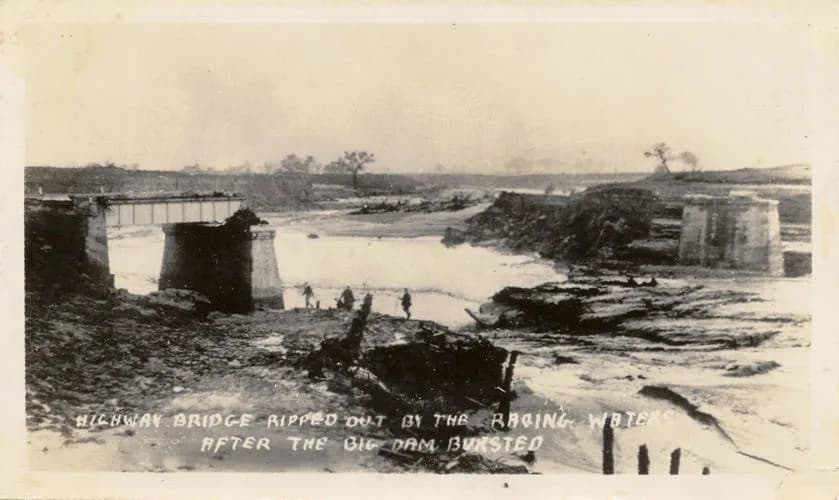
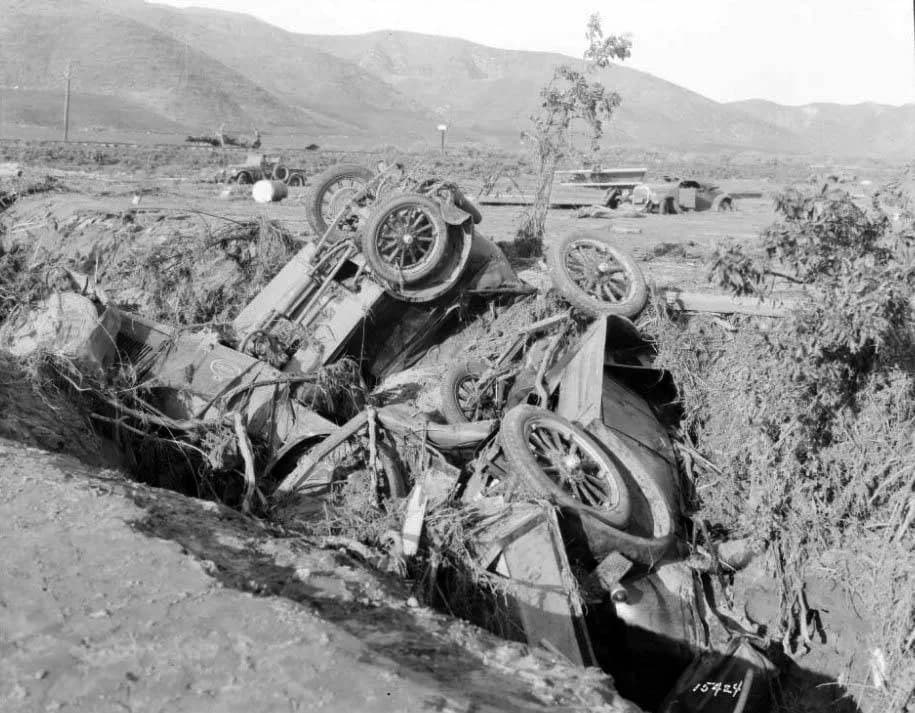
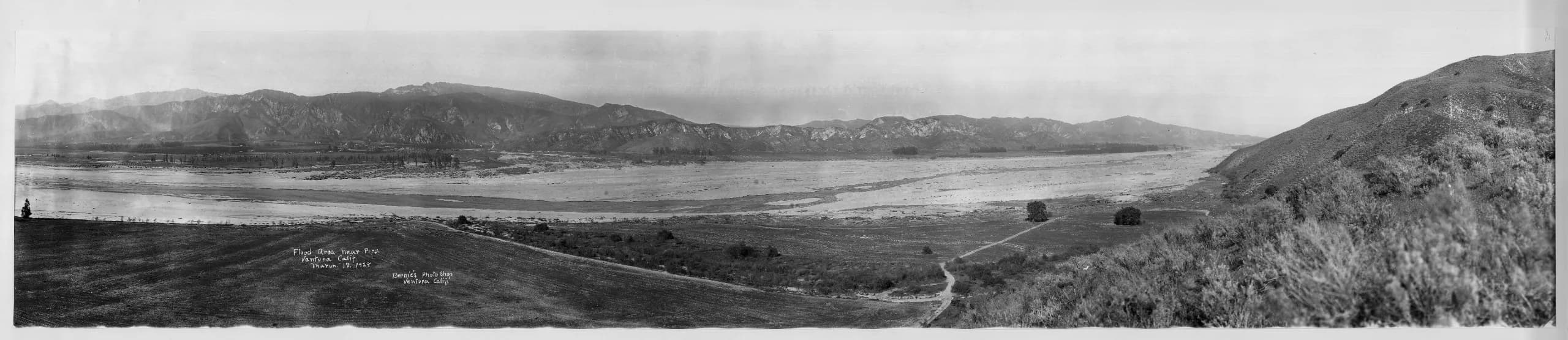
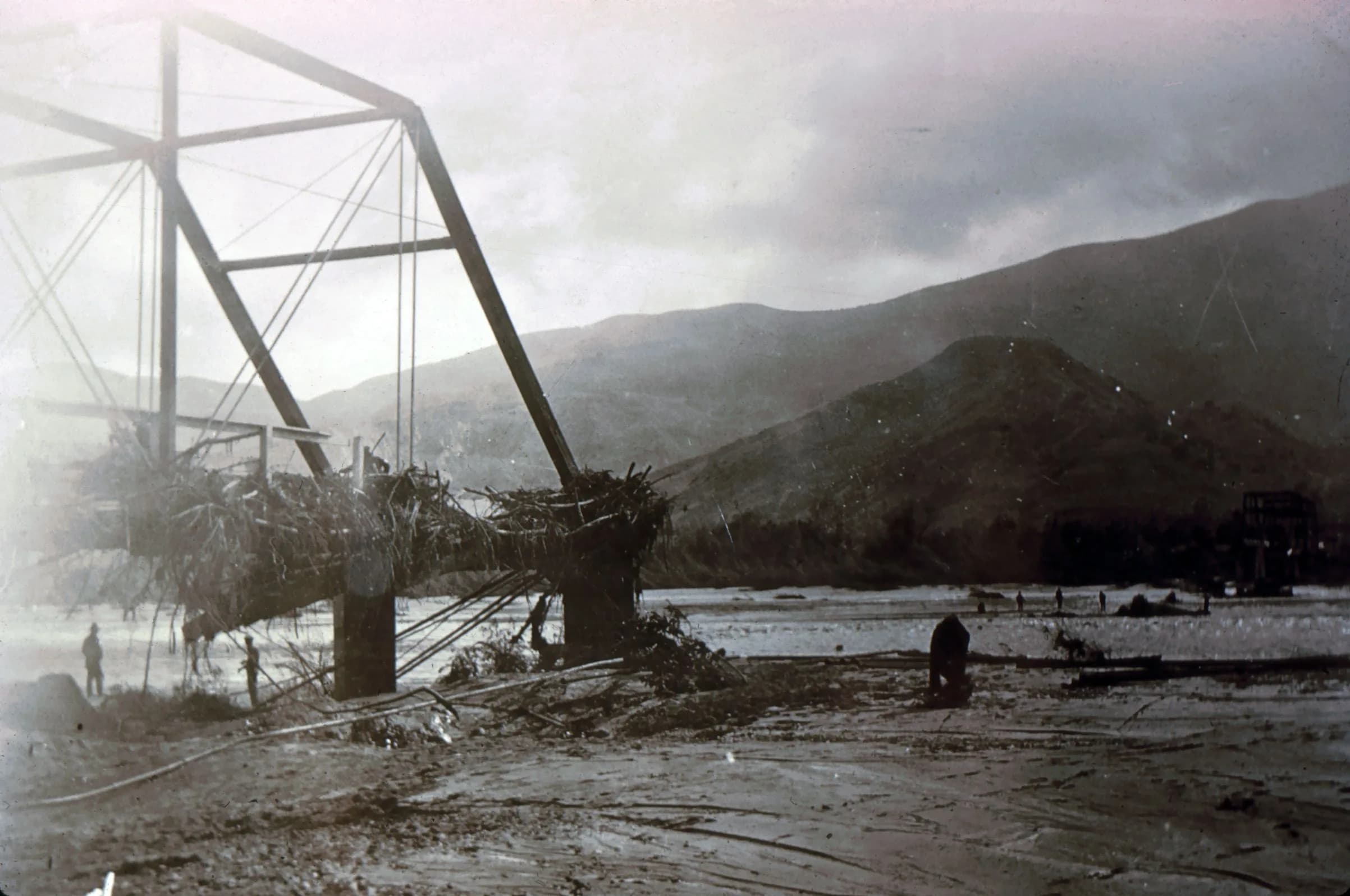
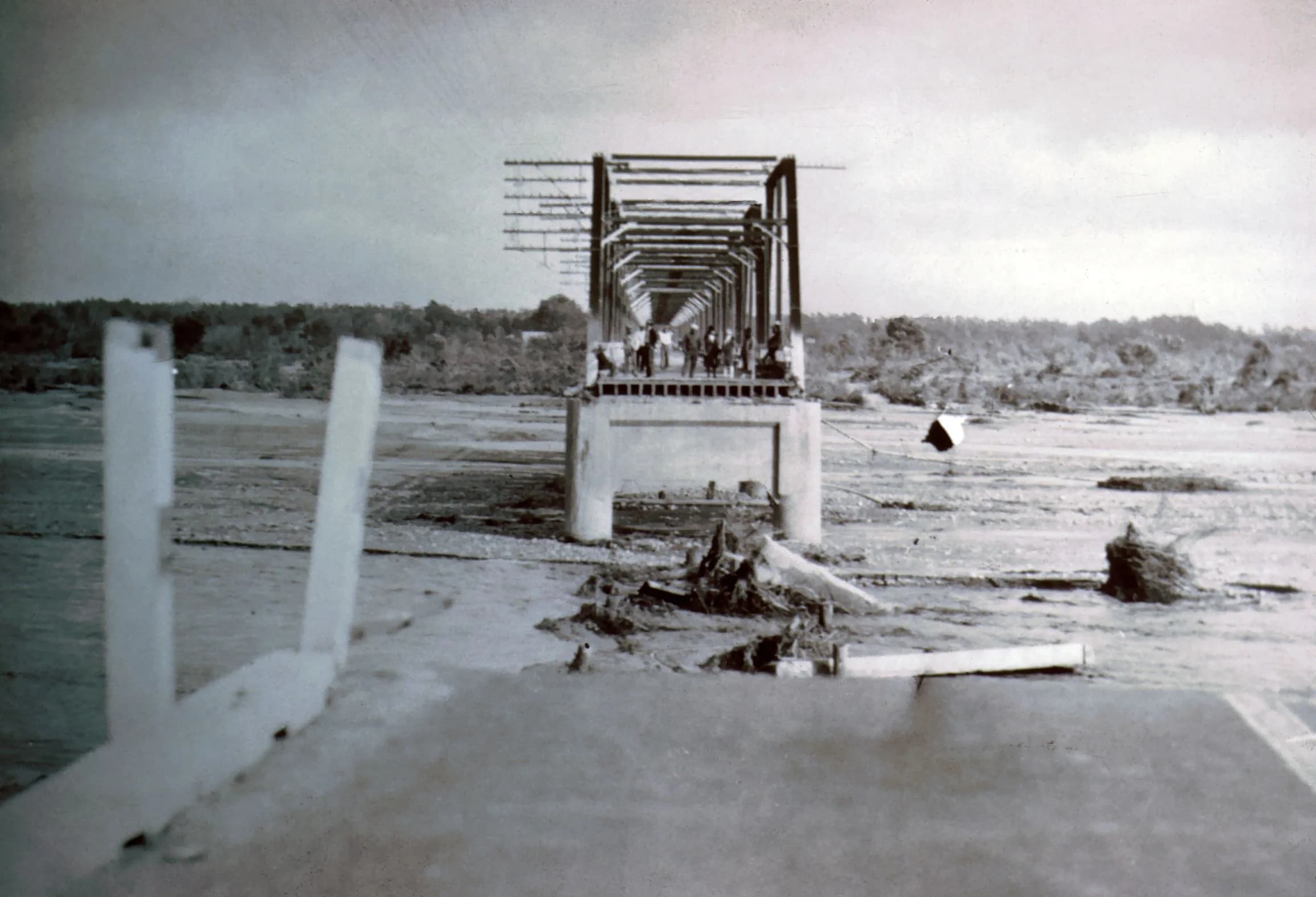
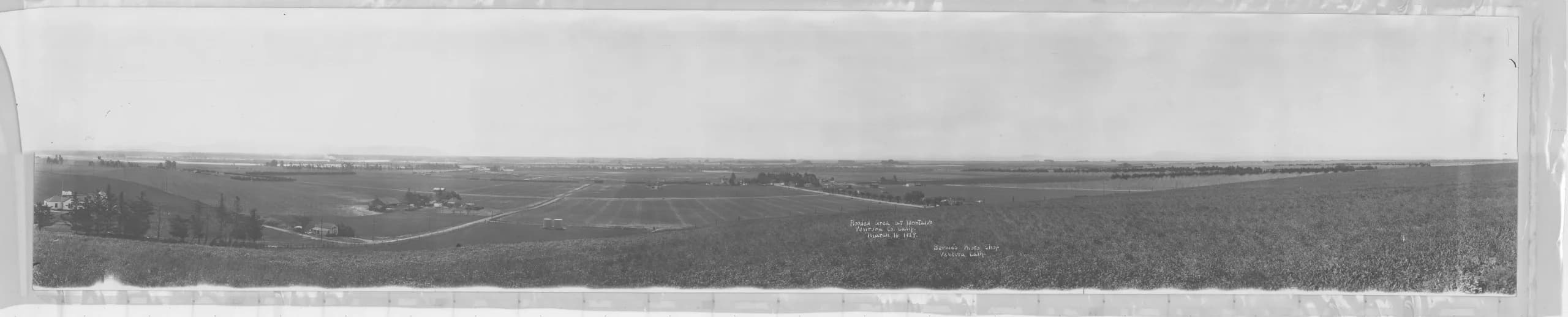
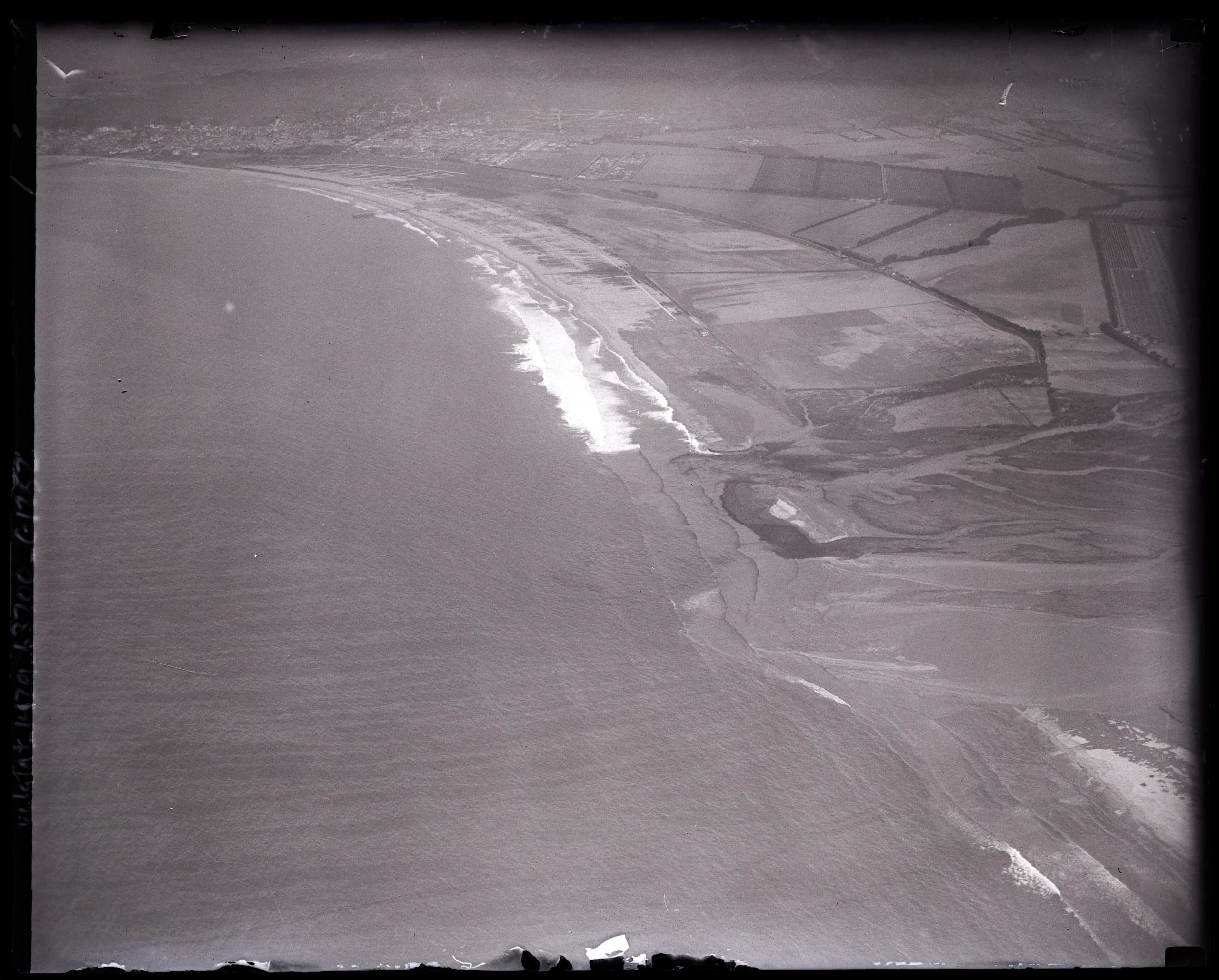
It is a cold March night in 1928 in the Santa Clara River Valley and deep up the San Francisquito Canyon. Just a few minutes shy of midnight, a tremendous flood was unleashed and before it reached the ocean a few hours later, it would take between 400 and 500 lives with it.
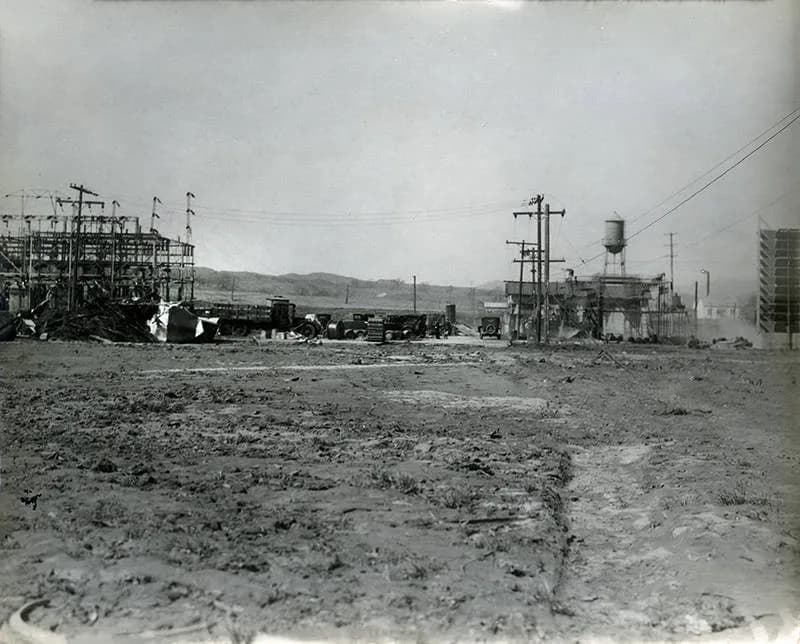
Families and workers deep in their sleep or frantic in escape efforts were fighting an awesome unseen enemy in the frigid morning air. Along with homes and lives, it coldly wipes out the communications and power systems of the day, lines on poles strung along the roads - now rendered impassable.
The northernmost tentacle of the octopus of the county of Los Angeles in the 1920s had its lifelines clipped by a hazard of its own making. The largest man made disaster in the history of California and second only to the San Francisco earthquake and subsequent fire overall was occurring...
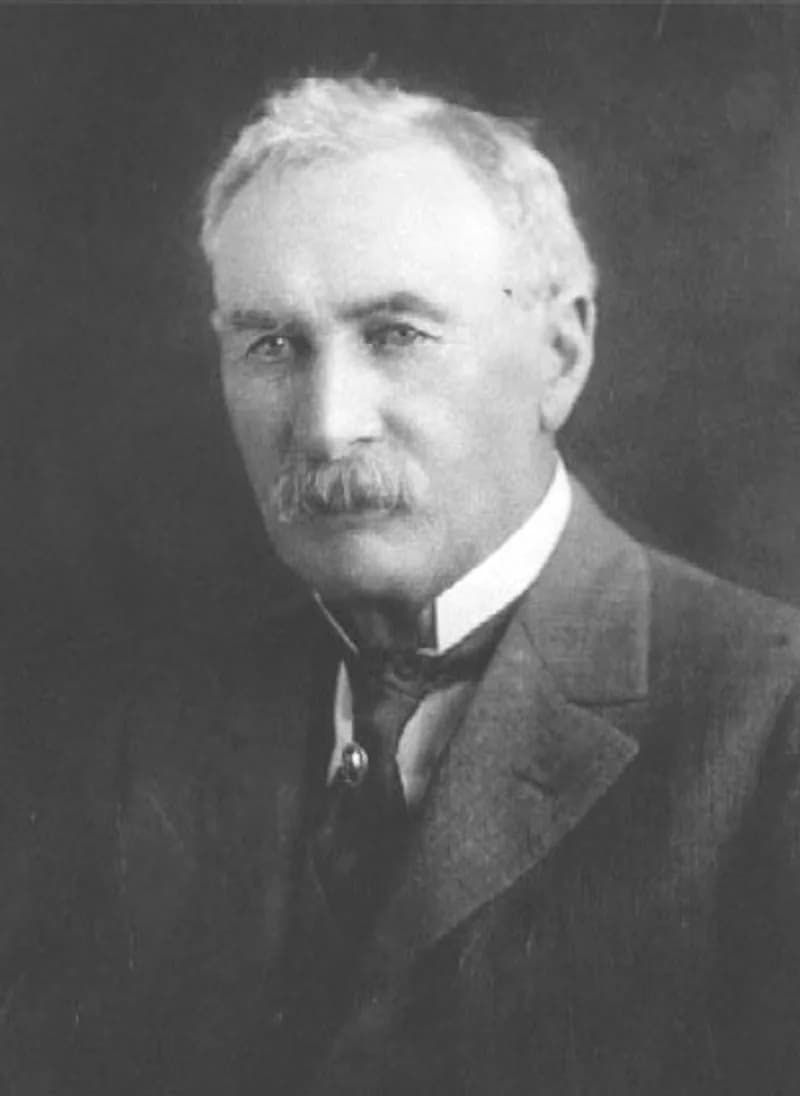
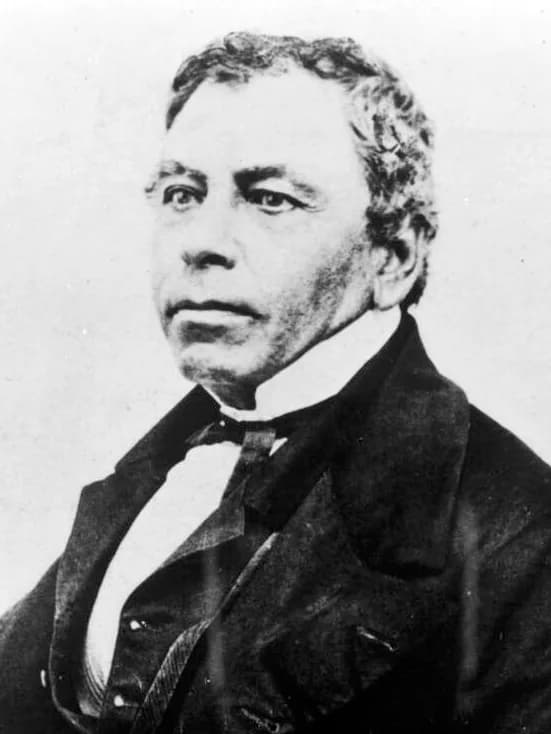
A dam had failed upstream - this St Francis Dam in San Francisquito Canyon was a key piece of the city's drought resistance strategy led by the department of water and power and its chief, William Mulholland. By diverting waters from the Owens Valley and channeling them down to Los Angeles via the aqueduct he oversaw the construction of, they also built reservoirs along the way to store water and generate electricity through controlled release.
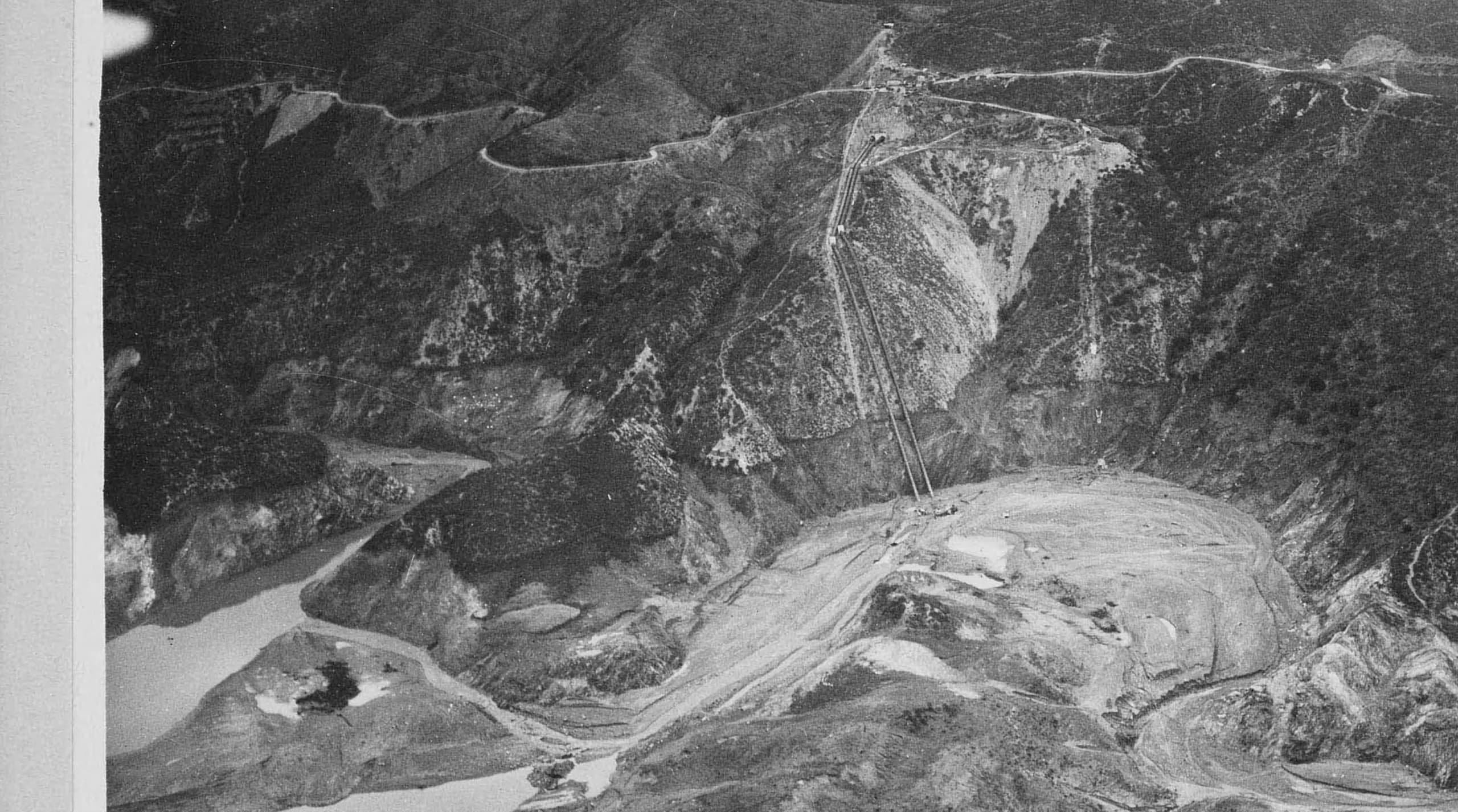
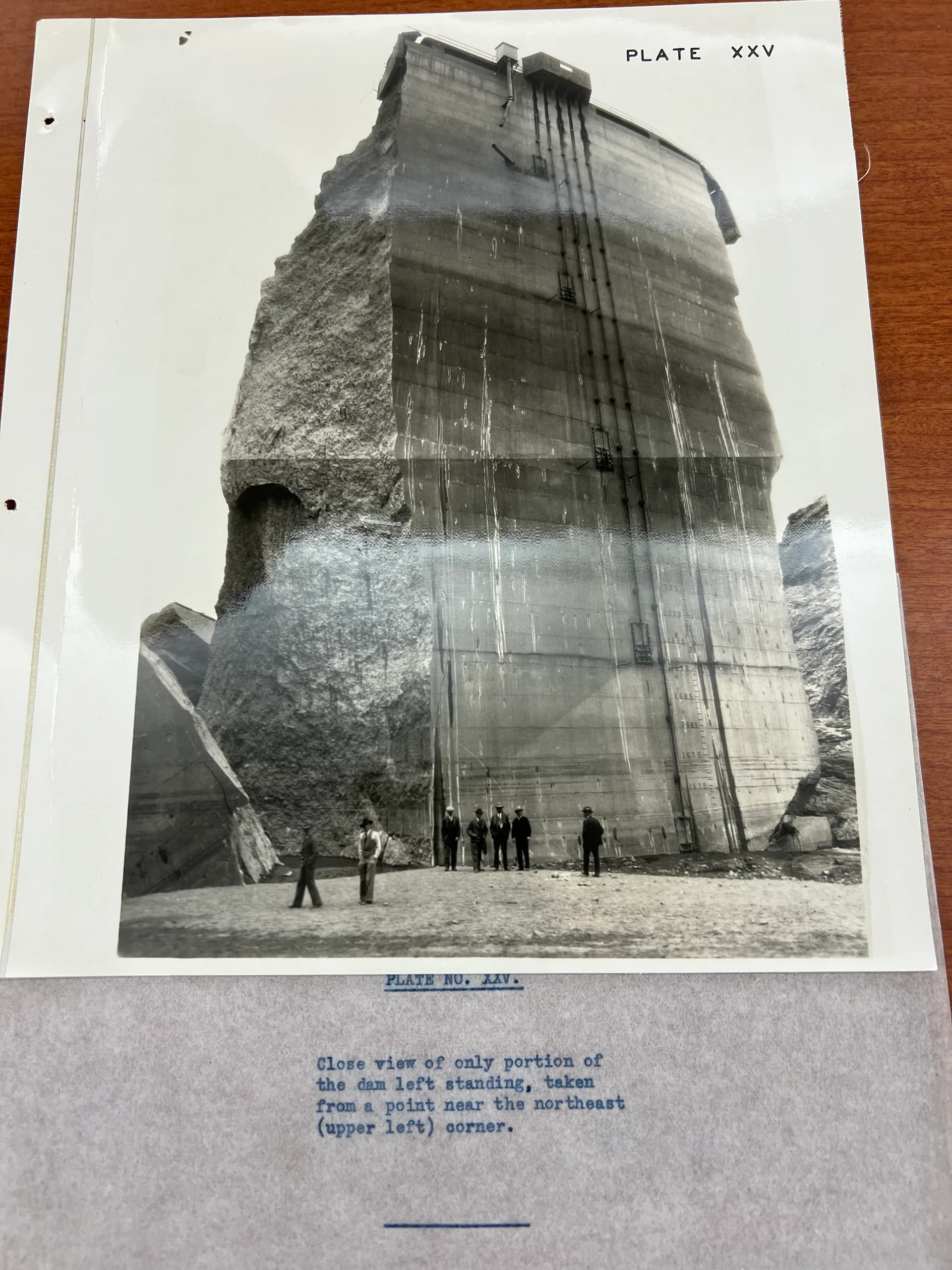
As you stand and view the opening photographs and imagine the 14 story wall of concrete in front of, and looming over you, the thought of relocating to higher ground might just creep in as you consider the 14 billion gallons of water just behind it.
Through the eyes of survivors and the deeds of heroes and the terror of those who were not as fortunate, you will hear a story of manmade disaster and the failure of the best efforts of brilliant men trying to contain nature and save now for a string of not so rainy days certain to come again in the future...
It is a tragic and sad and mournful story and it is hard to drive to the beach on the 126 highway without your mind's eye painting a picture of a night 100 years ago we all wish had never happened.